
Mystery Snail Laid Eggs: What to Do
If your mystery snail laid eggs, leave the clutch above the waterline in humid air, keep water from dripping onto it, and decide whether you have room for the babies. If you want to hatch it, leave a secure clutch in place or move it to an incubator after it firms up. Do not submerge it.
Hatching often takes about two to three weeks, but conditions and species affect the timing. A single clutch can hold hundreds of eggs, so make the housing decision before you start incubating. The U.S. Fish and Wildlife profile for Pomacea diffusa describes this above-water laying habit and typical clutch size.
Choose what to do with the clutch
| Your situation | Next step |
|---|---|
| You want babies and the clutch is secure | Leave it above water under a lid that keeps the air humid. Prevent drips and splashes. |
| You want babies but the clutch may fall or dry out | Wait until the surface is firm, then move it gently into a ventilated, humid container. Keep the eggs off wet surfaces. |
| You cannot keep or rehome the babies | Remove the clutch before it hatches and make it nonviable before disposal. Do not flush it or put it outdoors. |
| You do not know the snail species | Identify the adult first. Clear jelly eggs under water need different care. |
Have cycled nursery water, gentle filtration, and suitable food ready before hatch day. Let the young snails emerge by themselves rather than breaking open the clutch.
Identify an above-water egg cluster
Aquarium mystery snails are commonly sold as Pomacea diffusa. Their eggs form a firm, bumpy cluster on glass, a lid, or another surface above the water. Fresh clutches can be pale pink, cream, or reddish.
Do not identify the species from egg color alone. Other apple snails lay similar clutches. The University of Florida apple-snail guide includes species and egg-mass photos for comparison.
Clear jelly patches below the waterline are often from other aquarium snails. Do not lift those into a dry incubator. Gold, blue, or purple describes a mystery snail’s color form; it does not call for a different egg-care method.
Leave a fresh clutch alone while it firms up
If the female is still laying, let her finish. Once she returns to the water, avoid handling the soft cluster. It often firms up in about a day, but judge its condition rather than working to an exact hour.
Keep a gap between the water and the clutch. A fitted lid helps hold humid air, but condensation must not drip onto the eggs. Wipe large drops from the lid and keep the clutch away from the filter outlet.
In my setup, lifting a firm clutch gently with my fingers caused less damage than using a scraper. If it will not release without force, leave it attached and protect it where it is.
Make a simple humid incubator
Use a clean, food-safe container with a lid, small ventilation holes, plain paper towels, and a dry support that keeps the clutch away from wet towels.
- Add moisture below the eggs. Dampen paper towels with treated water and place them at the bottom. They should not drip when lifted.
- Create a dry resting place. Put a stable, clean support above the damp layer. Check that moisture cannot wick through to the clutch.
- Move the firm clutch. Ease it free gently and rest it on the dry support. Do not squeeze individual eggs.
- Close the ventilated lid. Keep the container at a steady temperature, away from sunlight and heaters that could overheat it.
- Inspect daily. Refresh the air, check the damp layer, and wipe lid condensation. Keep the clutch’s resting surface dry.
I originally used dry towels over damp ones. If you use that method, check them often because the upper layers can become wet. A raised support makes that separation easier to maintain.
Do not soak the eggs or spray water directly onto them. If you float a container in the aquarium, secure it so it cannot tip and flood. As hatching gets close, check often so new snails can reach the prepared nursery water promptly.
Hatching time and signs of development
Use a two-to-three-week window as a guide, not a deadline. One study of Pomacea bridgesii development recorded 15 to 24 days at about 73°F (23°C). The paper uses a related taxonomic name, so its timing is a reference, not a promise for every aquarium clutch.
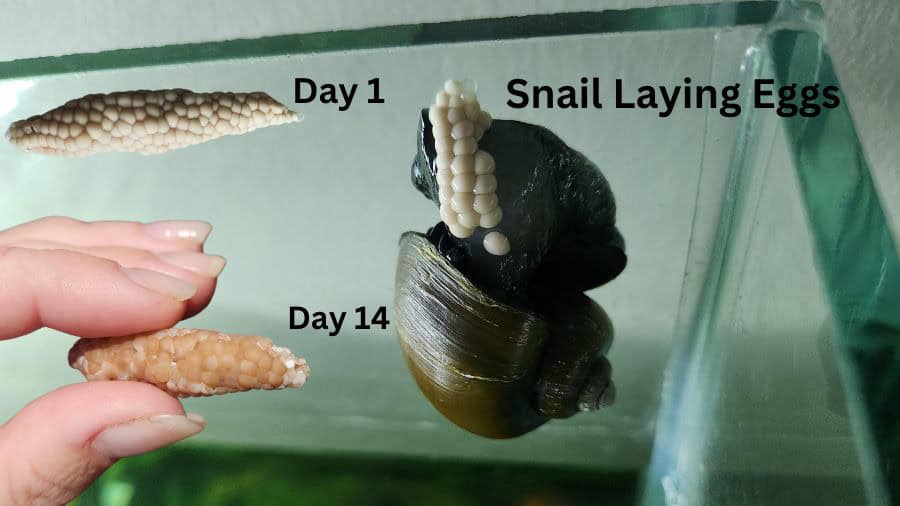
A developing clutch may darken, soften, and form small openings near hatching. These changes do not prove that every egg is fertile. A bad smell, obvious fuzzy mold, or a dried-out, collapsed clutch suggests a problem.
Leave developing eggs intact. Do not rub the clutch into the water to force out babies. If some hatch first, keep watching the remaining eggs instead of assuming they must all emerge at once.
Eggs from a female kept on her own
A female may lay unfertilized eggs. She may also lay fertile clutches after an earlier mating because stored sperm can be used later. A male does not have to be present in the tank when she lays.
There is no fixed laying schedule for every pet snail. Food, maturity, and conditions affect reproduction. The study above found that breeding could continue through the year under favorable conditions. Check above the waterline regularly if you need to control numbers.
Prepare a nursery for the hatchlings
Use a cycled nursery or a protected breeder box with gentle water flow. A box shares the aquarium’s water, but waste can still collect inside it. Its holes must be small enough to retain the new snails without trapping them.
Match the adult snails’ stable water conditions. Check ammonia and nitrite, and pay attention to pH and mineral content rather than adding calcium at random. Remove waste with a small baster and inspect the removed water for snails before emptying it.
Offer small amounts of complete sinking snail or shrimp food that the babies can reach. Soft plain vegetables or Snello can supplement the diet. Remove leftovers before they decay. Young snails need both suitable food and suitable water for growth.
Keep hatchlings away from fish that can swallow them. This matters in goldfish tanks, where a snail’s small size makes it vulnerable. A larger shell also does not guarantee that a fish will leave its tentacles alone. For an adult snail sharing a goldfish display, compare sand, gravel, and bare-bottom setups to choose a floor you can clean easily.
Remove unwanted clutches before they hatch
If you cannot raise the babies, remove the clutch once it is firm enough to handle. Keep it contained, make every egg nonviable, and seal the remains for household disposal. Crushing collected egg masses is one method described by University of Florida Extension. That source discusses invasive apple snails; follow any disposal rules for your local species.
Wear gloves, wash your hands afterward, and keep the clutch away from children and pets. Do not put viable eggs in a drain, garden, or pond.
If you plan to rehome the babies instead, arrange suitable homes first. Rules for keeping and moving apple snails vary. In the United States, USDA APHIS explains restrictions on snail movement. Confirm the species and applicable rules before selling or shipping any.

Home fish breeder sharing practical aquarium, egg-care, and fry-raising methods.
Related guides
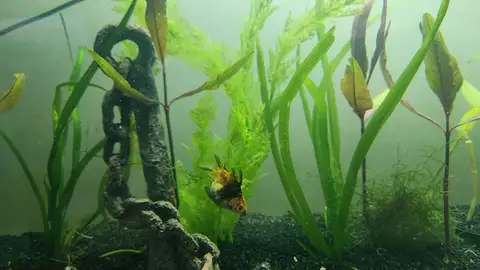
Goldfish Tank Mates That Live Well Together
Start with other goldfish of similar swimming ability, then check the risks before adding a different species.
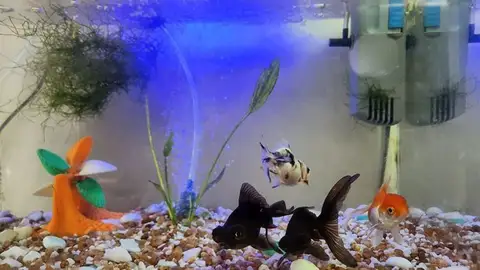
Best Substrate for Goldfish: Safer Tank Options
Choose fine sand for an everyday display, or a bare bottom when easy cleaning matters most. See where gravel fits and what to avoid.