Breeding·
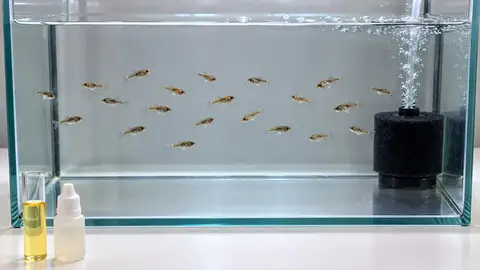
Why Are My Goldfish Fry Dying?
Losing fry every day? Match their age and what you see to the likely cause, then fix the water, food, or setup before more are lost.
Linda Holmes · 4 min

From Linda’s home tanks
To breed goldfish at home, prepare healthy adult males and females for spawning, then raise their eggs and fry away from adult fish. Start with the space, equipment, and food the young will need.
Explore the care guidesFor a detailed breeding routine, see the Bristol Aquarists’ Society breeding guide. The OATA fancy goldfish care sheet also covers spawning and separating eggs from adults.
Breed Goldfish Lab · Three free scenarios
Work through a first clutch, a surprise spawn, and a tank of sick fry. Every choice gets feedback, and you can fix mistakes as you go.
Goldfish breeding simulatorFree clutch tracker · Saves in your browser
Get a hatch window based on your water temperature, see which stage your fry are in, and tick off each day’s care. No sign-up needed.
Goldfish fry growth chartBreeder directory · Free listings
Find small farms and home fish rooms by state and variety, then contact them directly. Breed your own? Add your fish room for free.
Find a breederStart with your aquarium
Compare the options, see the main precautions, and follow the practical steps in each guide.
Losing fry every day? Match their age and what you see to the likely cause, then fix the water, food, or setup before more are lost.
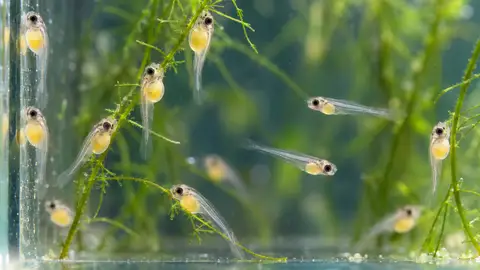
Newly hatched fry live off their yolk at first. See the sign they're ready to eat, what to offer first, and how often to feed in the first month.
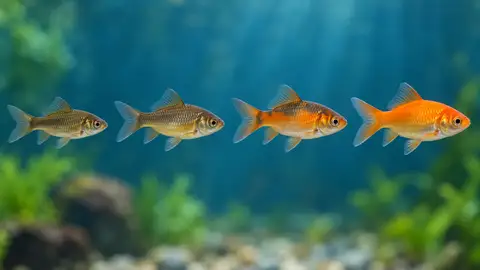
Baby goldfish stay brown or bronze for months. See when the orange usually shows up, why some fish change faster, and which dark patches need a vet.
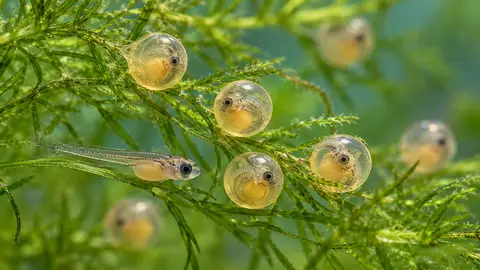
Water temperature sets the pace. Compare hatch times measured at five temperatures, learn the signs eggs are on track, and see why some never hatch.
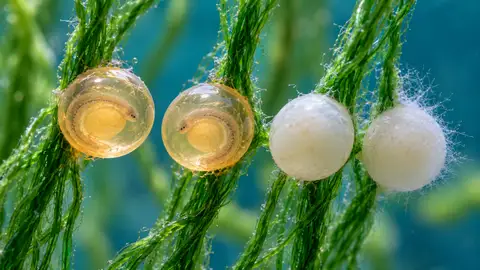
Fresh eggs all look alike at first. Learn the signs that show which ones are developing, what white or fuzzy eggs mean, and what to do with each.
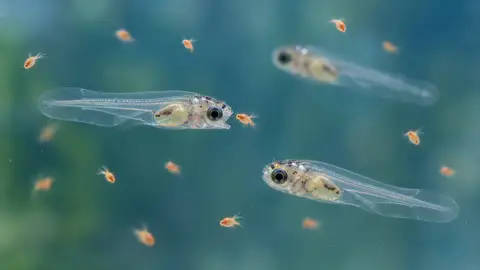
Newly hatched brine shrimp are a classic first live food. Learn how to hatch them in about a day, when to start a batch, and how to feed without fouling the nursery.
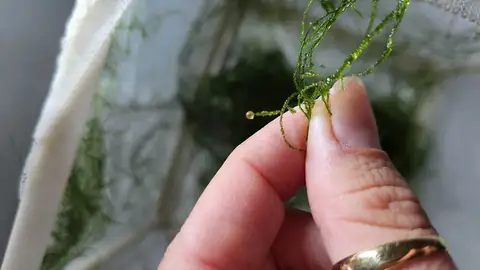
Found eggs after a spawn? Protect them from the adults, prepare a nursery, and recognize when the young are ready for their first food.
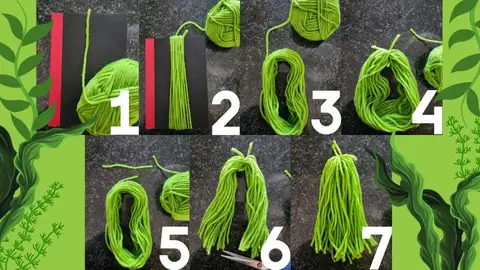
Turn acrylic yarn into an egg-collecting tassel with a book, scissors, and a suction cup. Follow the steps and check the finished mop before use.
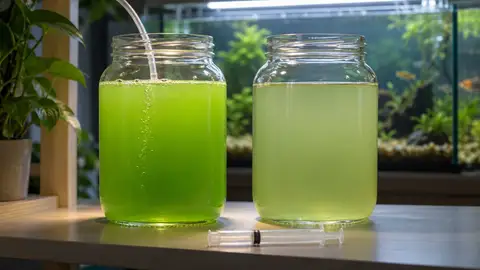
Grow a separate freshwater algae supply with a known starter, suitable nutrients, and steady light. Use it to support a live-food plan for young fish.
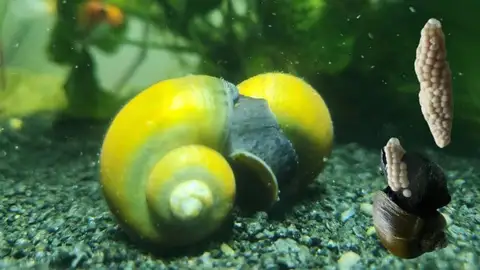
Keep a new clutch above water, decide whether to hatch it, and prepare for the tiny snails before they emerge.
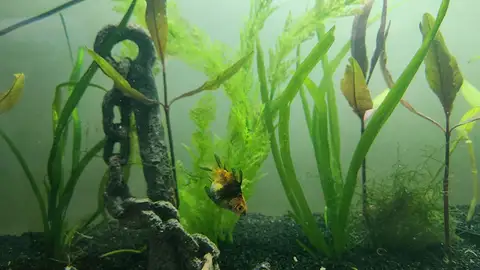
Compare Fantails, Orandas, Black Moors, and single-tailed varieties, plus the conditions for keeping snails or schooling fish with them.
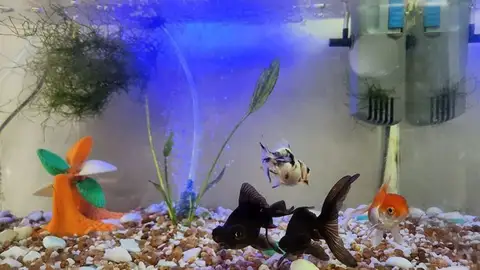
Choose fine sand for an everyday display, or a bare bottom when easy cleaning matters most. See where gravel fits and what to avoid.
Before starting a spawn, decide how much space you can give the growing fish, who will handle daily care, and where they will live as adults. Write down that plan before buying breeding supplies.
Linda began breeding fancy goldfish in 2022. Her guides bring together observations from her own tanks and references that help explain safe aquarium care.
Read about Linda’s experience