
Brine Shrimp for Goldfish Fry: How to Hatch and Feed Them
Goldfish fry need tiny food as soon as they start to swim, and one of the best options takes a day to prepare. That’s the catch with brine shrimp: you have to start them before the fry are hungry.
Hatch the eggs in warm, bright, salty water with air bubbling through it. In about 24 hours you’ll have baby shrimp to rinse and feed in small amounts.
How to hatch brine shrimp
You need: brine shrimp eggs, marine or solar salt, a cone-shaped bottle (not a flat-bottomed jar), an air pump with tubing, a light, a fine net, and a heater if your room is cool.
- Mix the salt water. Use about 1½ tablespoons of salt per quart (or liter) of water.
- Add the eggs. Start with about ½ level teaspoon per quart. Crowding the eggs means fewer of them hatch.
- Turn on the air and the light. Steady bubbles keep the eggs moving, and light helps trigger the hatch.
- Keep it warm. At 80 to 82°F (27 to 28°C), the eggs hatch in about 24 hours. Cooler water takes longer, and the water shouldn’t go above 86°F (30°C).
- Harvest. Turn off the air and wait 5 to 10 minutes for the empty shells to float up. Collect the shrimp in a fine net, leaving the shells behind, and rinse them well.
These steps follow Ocean Rider’s hatching guide and the FAO live food manual’s sections on hatching and harvesting. The FAO says eggs hatch well across a wide range of salt levels. That means your salt amount doesn’t have to be exact.
Start a batch the day before you need it
In Bob Jones’s routine, fry get brine shrimp from their second day of swimming. Start a batch on the day they first swim, and it will be ready the next morning.
For the full plan, including what to feed before and after brine shrimp, see our guide on when to feed goldfish fry.
Feed them fresh, a little at a time
Newly hatched shrimp live on their own stored energy, and the FAO says they burn through 25 to 30% of it within 24 hours. Feed them soon after harvest, and start a small batch every day instead of one big one.
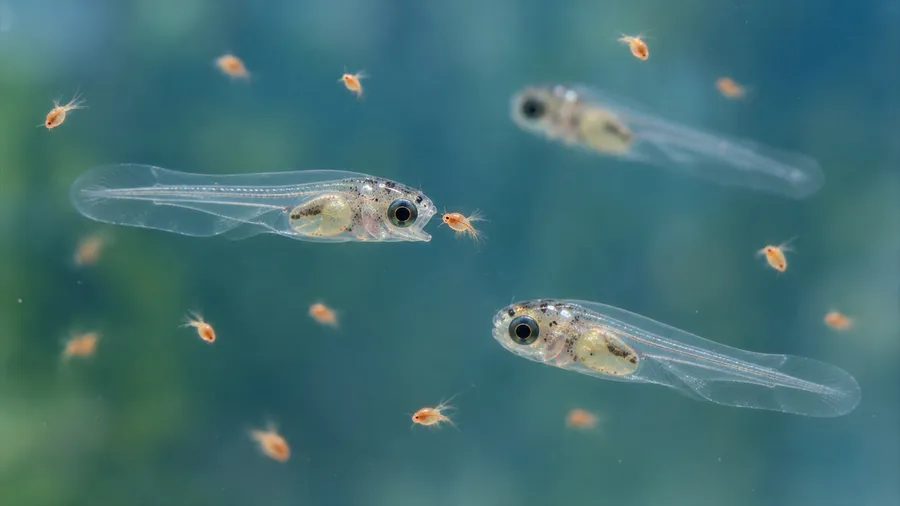
Brine shrimp are saltwater animals, and the FAO notes they die after 30 to 60 minutes in fresh water. Offer a little at a time, every few hours, so the fry eat them while they’re still swimming.
Bob Jones feeds about four times a day and keeps a few shrimp swimming in the fry tank all the time. He also siphons out any dead shrimp every day.
If you hatch too many, the FAO says newly hatched shrimp kept below 50°F (10°C) can be stored for more than a day without big losses. Give them gentle air so they don’t settle on the bottom and suffocate.
Are they small enough for your fry?
Newly hatched brine shrimp are about half a millimeter long, according to the University of Florida. Young Moina are smaller, which makes them handy if your fry are very tiny, and our green water guide explains how to grow their food.
Bob Jones starts even smaller. On the first day of swimming, he squeezes small clouds of soaked, mashed pellets or a liquid fry food into the tank.
Moving on from brine shrimp
In the Bristol Aquarists’ Society’s notes on Bristol Shubunkins, fry eat brine shrimp for the first 2 to 3 weeks, then live daphnia and crumbled flake. Some breeders lost fry when moving them from brine shrimp to crumbled flake, and live daphnia helped prevent those losses.
If fry are eating well but you still find losses, work through the common causes of fry deaths next.
Free for breeders
Raising fry to sell?
Put your fish room in our breeder directory, where keepers look for fish by state and variety. A listing is free, and you stay in charge of it.

Home fish breeder sharing practical aquarium, egg-care, and fry-raising methods.
Related guides
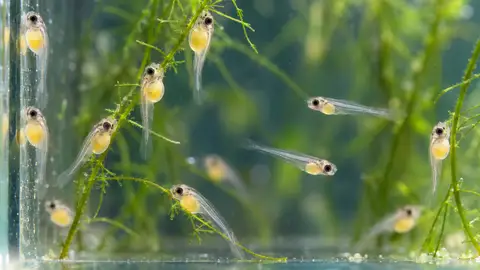
When to Feed Goldfish Fry
Newly hatched fry live off their yolk at first. See the sign they're ready to eat, what to offer first, and how often to feed in the first month.
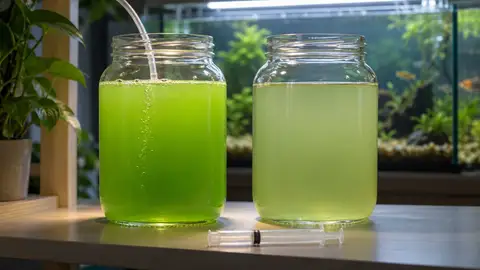
How to Make a Green Water Culture
Grow a separate freshwater algae supply with a known starter, suitable nutrients, and steady light. Use it to support a live-food plan for young fish.
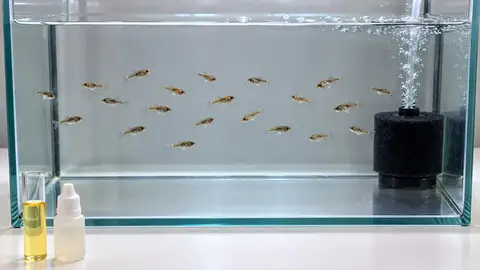
Why Are My Goldfish Fry Dying?
Losing fry every day? Match their age and what you see to the likely cause, then fix the water, food, or setup before more are lost.